

Retirement planning can feel like a mountain to climb, especially if you’re not a fan of spreadsheets, endless forms, and financial jargon. The good news is, artificial intelligence (AI) has come a long way to make things so much easier—even for folks who don’t want to put a ton of work into the process. I’m here to break down how you can use AI tools and apps to plan for retirement without making it a second job. In this guide, we’ll give you straightforward advice and show you how AI can do the heavy lifting when it comes to your financial future.
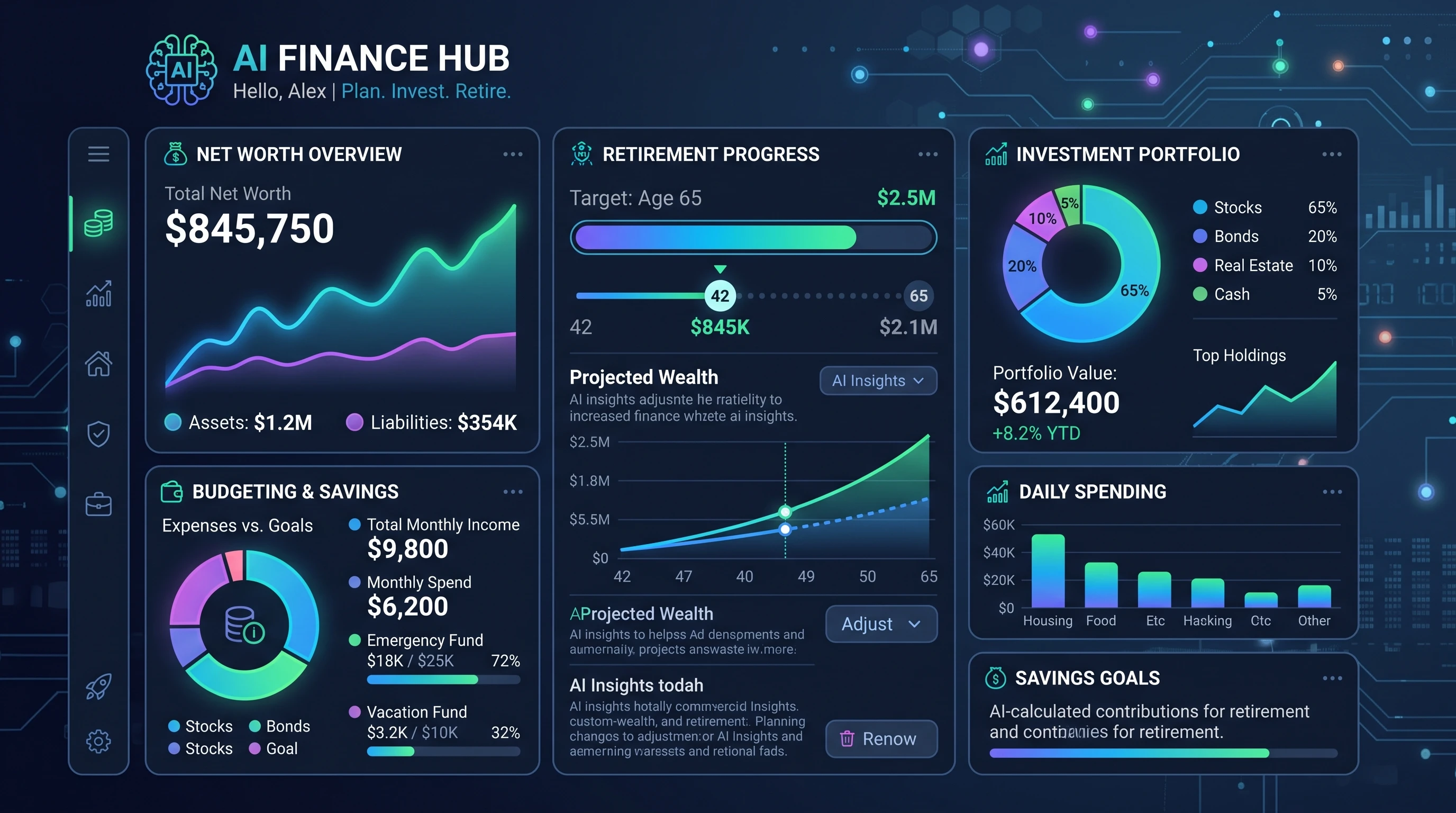
Why Use AI for Retirement Planning (Even If You’re Super Lazy)
If you care about a smooth retirement but hate fussing with complex details, AI is pretty much your best friend. AI powered apps and sites are designed to handle the heavy lifting, crunching numbers, organizing your data, and offering advice based on what actually matters to you. The global market for personal finance AI tools is growing fast, and retirement planning is one of the hottest areas these tools are being used. Saving time and avoiding lots of math is really appealing and frees you up to focus on the fun parts of life.
Not too long ago, most people had to meet with financial planners for every little step. These days, AI can analyze your spending, suggest how much to save, flag issues with your plan, and even invest for you with a few swipes or taps on your device. AI tools are built on tons of user data and financial trends, so you get advice tailored to your needs without the pressure of filling out endless questionnaires every time your situation changes.
How AI Actually Helps With Retirement Planning
AI simplifies retirement planning in a bunch of ways. The best part is you don’t need to check out details—AI does that work for you. Here are some things you can expect from most modern AI retirement planning apps and platforms:
- Instant cash flow analysis: AI draws your spending history straight from your bank accounts and shows you exactly where your money goes. No manual tracking required.
- Personalized savings goals: Based on your current habits, AI recommends how much to put away each month to stay on track for a comfy retirement.
- Smart investment advice: AI can match you to investment portfolios that fit your risk level and automate everything, so you don’t have to babysit your money.
- Automatic plan updates: If you get a raise, lose a job, or take a vacation, AI updates your plan. No reminding yourself to do any recalculations.
- Scenario simulations: You can ask the app “What if I retire at 60 instead of 65?” and it will show possible outcomes instantly; no crazy math required.
Most apps use your real world data to tweak and optimize your plan. This level of customization used to be the domain of expensive financial advisors, but AI has made it easy for just about everyone.
Simple Steps to Start an AI Powered Retirement Plan
People often think retirement planning is too much work, but the truth is, you can cover a lot with just a handful of steps using AI tools. Here’s how to get started in no time:
- Pick the right app or robo advisor: Find an app that matches your style. Some popular ones are Betterment, Wealth front, and New Retirement. If you prefer, most banks now offer their own basic AI tools.
- Connect your accounts: Most tools will need you to securely connect your bank, credit card, and investment accounts. This lets AI grab data and build your plan without any manual entry.
- Set your retirement goals: You don’t need fancy spreadsheets; just tell the app how you want to live in retirement and when you hope to stop working. AI fills in the rest and suggests a game plan.
- Review recommendations: The tool will crunch numbers and come back with suggestions for savings, investing, and insurance gaps. You’ll get progress bars and “thumbs up” when you’re on track.
- Automate your contributions: Set up automatic transfers to retirement accounts. This keeps you moving toward your goal without remembering to save every month.
- Check notifications: The app or site will nudge you if something’s off, like if you’re spending too much or could be investing smarter. All you have to do is take a quick look.
That’s the bulk of it. A few minutes to set up, then automation and AI handle the rest. Even if you leave things alone, the tools will keep working for you and keep your plan current.
What to Think About Before Jumping In
AI makes things simple, but it’s still a good idea to give a quick once over to a few things before you get started. A laid-back approach can be really efficient once you know what to expect.
- Security: Make sure the app you use is well known and uses strong encryption. Connecting your accounts is safe if you use established fintech players.
- Costs: Most robo-advisors and AI tools have a small annual fee (usually less than 0.5% of your total investments), but double check so you’re not surprised.
- Flexibility: Some apps are more “hands-off” than others. Pick one that truly automates most steps, especially if you’d rather not touch your plan often.
- Integration: Look for apps that sync up nicely with your existing bank or investment accounts, so you don’t have extra work managing multiple logins.
- Transparency: Reliable AI tools show you how your money is invested and update you about performance regularly.
Security and Privacy
Security is always a concern for financial data. That’s why I stick with platforms that use bank level encryption and two factor authentication. It’s worth checking privacy policies before letting any AI tool handle your accounts. Most reputable apps make this easy to find on their websites.
Fees and Value
AI roboadvisors are often cheaper than working with a traditional planner. Some platforms offer free basic tools and charge only if you want automated investing. Make sure you know what’s included in the price, so you’re not paying for features you won’t use.
Data Sharing
If you’re not one to read the fine print, at least make sure the service doesn’t sell your information to third parties. AI tools should primarily use your info to make your plan better, not for advertising.
AI Tools and Features Worth Checking Out
Every AI retirement planner packs in different perks, but some features are really user-friendly and save you effort and time:
- Goal Tracking: Most AI apps give you a visual tracker of how close you are to your retirement target. There’s something pretty motivating about seeing your progress in real time.
- Automatic Rebalancing: Investments need adjusting from time to time. AI robo-advisors rebalance your portfolio automatically, and you don’t have to lift a finger.
- Tax Optimization: Some tools manage your accounts to help minimize taxes as you invest and withdraw in retirement. Even if taxes bore you, this saves real money over time.
- Smart Notifications: Get notified if a bill spikes, your spending changes, or there’s a gap in your insurance, so you can decide whether to act without staying glued to dashboards.
- Scenario Switchers: Many apps let you try “what if” situations. Want to work part time, travel for a year, or buy a new car? Type it in and see the impact instantly.
Common Hurdles and How to Dodge Them With AI
Even with AI, retirement planning has its bumps. Here are a few common ones and how AI makes them a whole lot easier:
- Procrastination: AI’s automation limits the damage procrastination usually causes. Once set up, you’re saving and investing, even if you don’t look at your plan for months.
- Changing incomes: If you move jobs, pick up side gigs, or get unexpected expenses, AI tools adapt your plan. You just enter your new income or expense, and the tool tweaks everything automatically.
- Lack of financial knowledge: AI spells out all the jargon, giving recommendations in plain language; sometimes even with fun cartoons or checklists to make it clearer.
- Forgetting paperwork: Many apps alert you about anything that needs your signature, like opening an IRA or rolling over a 401(k), so nothing slips through the cracks.
- Market ups and downs: Instead of stressing about every news headline, you can count on the AI to rebalance your investments and keep you on track for the long term.
Automating Savings and Investment
This one’s especially important. Most people struggle with manually moving money into retirement accounts. AI can automatically pull the right amount from your account each month and invest it based on your plan. You set it once, and your savings grow without further effort—truly setting it and forgetting it.
Staying Motivated
It’s easy to lose interest if you don’t see results quickly. AI tools use charts and encouragement to make progress visible and keep motivation up. Small achievements get highlighted so you feel accomplished and energized instead of worn out.
AI for Lazy People: Real-Life Examples
So how does this work out for someone who doesn’t want to spend lots of time planning? Here are some typical situations and how I’ve seen them work with the help of AI:
- Emily (32): She hates paperwork but wants to make sure she’s saving enough for retirement. She used the Wealthfront app to connect her accounts, answered a few lifestyle questions, and within 20 minutes got a solid plan. All she does now is occasionally check progress; contributions and investments are fully automated.
- Joe (45): Works freelance, so his income goes up and down. He uses Personal Capital, which uses AI to adapt to his changing finances and nudges him whenever it’s a good time to save extra or trim spending.
- Sandy (27): Just started her first job. She relies on her workplace’s retirement planning tool, which uses an AI chatbot to make suggestions, nudge her on benefits enrollment, and show her how a small savings boost now makes a big difference later on.
These tools aren’t magic, but they put smart planning within reach for people who don’t enjoy or have time for traditional approaches.
Frequently Asked Questions About Using AI in Retirement Planning
These are the questions I get most often when folks want to know if AI planning is really all it’s cracked up to be:
Question: Do I need to understand investments to use AI retirement tools?
Answer: Not at all. AI does the complicated work and serves up choices that fit your risk comfort. You only need to approve the broad approach; you don’t have to pick individual stocks or funds.
Question: How often do I need to check my plan?
Answer: Once a plan is set up, checking in once or twice a year is enough unless something big changes in your life (new job, marriage, kids, etc.). The AI does the rest and sends alerts if tweaks are ever needed.
Question: Can AI predict everything about my retirement needs?
Answer: Not everything, but it’s really good at using data to show likely trends and flag risks early. Unexpected things can always happen, but AI makes planning more flexible and less stressful.
Question: Is my information safe with AI apps?
Answer: Established apps use strong encryption and don’t store banking passwords. Always pick tools with lots of positive reviews and trustworthy reputations.
Question: What if I want to work with a human advisor, too?
Answer: Plenty of AI platforms now offer hybrid setups—you can get automated advice by default, but still call or chat with a human for bigger questions.
Getting the Most Out of AI: Extra Handy Tips
If you want to squeeze even more out of your AI powered retirement planning (without extra effort), here are a few things I’ve found helpful:
- Set it and forget it, but check for new features: These platforms update all the time. Logging in twice a year can show off cool new tools that save even more time.
- Use goal-based planning options: Most platforms let you add stuff like big vacations, early retirement, or side projects. AI helps track down a way to work those into your plan.
- Link all your accounts: Even your old 401(k)s, side savings, or brokerage accounts can usually be mixed in for a more complete picture.
- Allow notifications: These keep you informed, so you don’t have to log in but still catch anything important.
If you ever hit a snag, a lot of the bigger AI platforms have chatbots or customer service reps who can walk you through fixes without waiting for a formal appointment.
Final Thoughts
Planning for retirement doesn’t need to be a daunting, paperwork heavy process. AI has made it way more accessible and less stressful, especially for folks who prefer not to check out details. By picking the right tools, connecting your accounts, setting your goals, and automating as much as possible, you’re already ahead of the game. The hardest part is often getting started, but once you do, AI takes care of the routine work and frees up your energy for better things. That leaves you with more time for, well, anything else you’d rather be doing.
AI powered retirement planning isn’t about being perfect with every dollar; it’s mostly about automating, reducing stress, and getting you where you need to go without making it a big project. The earlier you start, the more time your money has to grow. So, if laziness is your style, you’re in luck—AI was made for you.


Recent Comments