

Artificial intelligence has taken over a lot of industries, and trading is pretty high up on that list. People are always looking for any sort of edge when it comes to the stock market, forex, and cryptocurrencies. AI driven trading, using algorithms, machine learning, and automation, seems like the next big mix up. I’m breaking down what’s going on now, what’s likely ahead, and how using AI in trading might become second nature for everyone.
How AI Started Making Waves in Trading
AI didn’t just appear in finance out of nowhere. Big banks and hedge funds started using automated strategies way back in the early 2000s. At first, these algorithms just followed basic rules buyers and sellers might use. But machine learning has made things way more complex, letting computers spot patterns and react in ways humans often miss.
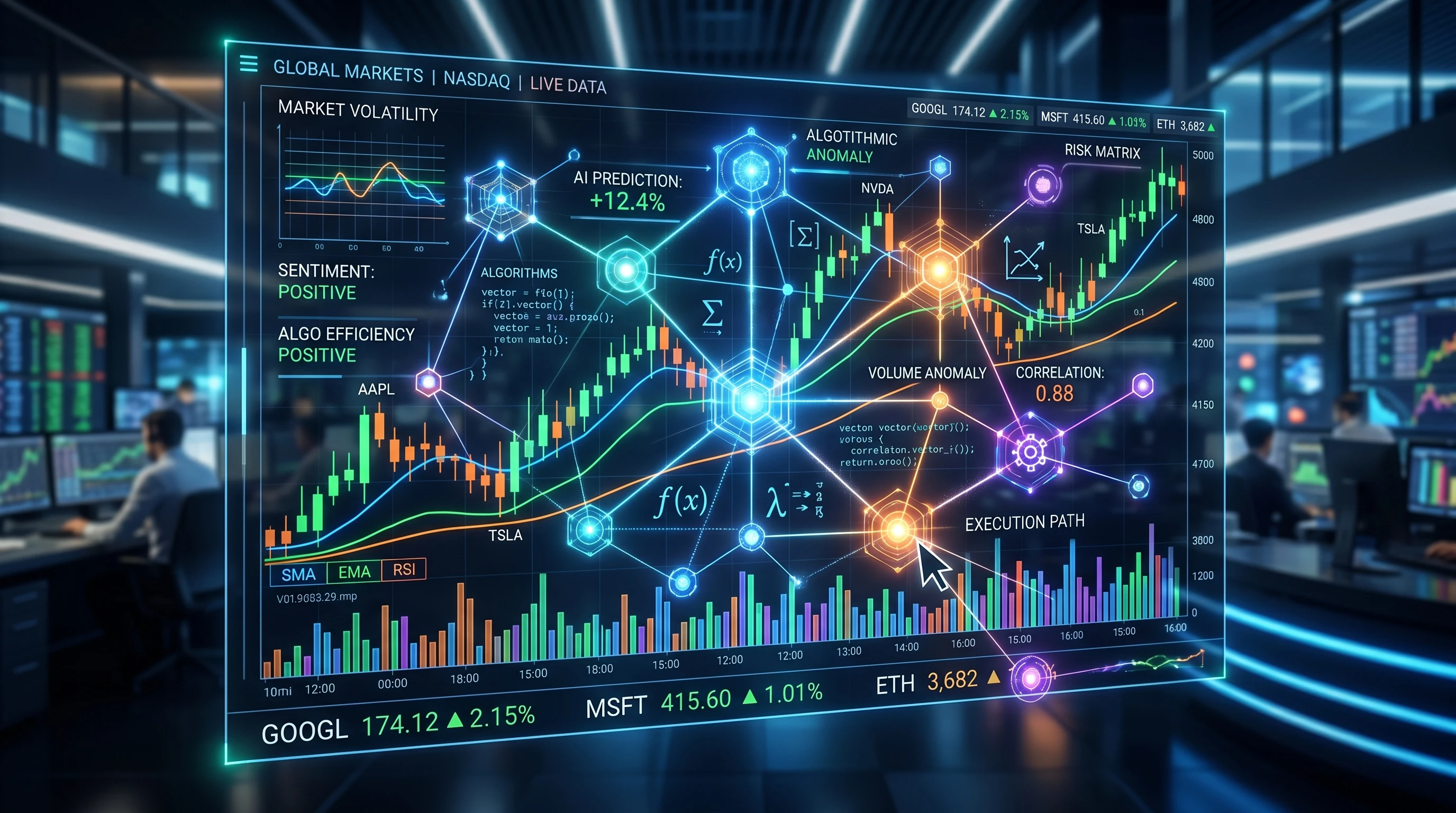
Fast forward to now, and there are platforms running on neural networks picking apart market data all day, every day, reading headlines, and trying to predict price swings in milliseconds. Some AI trading bots even learn as they go, tweaking their own code to keep up with the market’s wild pace. That’s a big jump from simple math based algorithms.
Not only are these codes continuously learning and evolving, but the amount of data they sift through has exploded. Years ago, analyzing financial statements and a few news articles would cover most key signals. Now, AI bots scan thousands of sources in real time, including streaming data, social media sentiment, and even satellite images of parking lots or shipping ports. The scale is mind boggling and clearly demonstrates how far AI in trading has come in just two decades.
Is AI Trading Really Here to Stay?
Financial firms keep pouring more money into smarter trading tech. According to Fortune Business Insights, the global AI market, including AI for finance, could cross $2 trillion by 2030. A big part of that is AI programs helping with investment decisions, risk management, and even customer service chats.
What I’m seeing is that this isn’t a trend that’s fading. Trading desks are hiring more data scientists than traditional analysts. Many retail platforms now offer AI recommendations or roboadvisors that almost anyone can use. As AI gets easier and cheaper to access, using it for trading just seems like it’s going to be a regular thing in the not so distant future.
Major online brokerages, fintech startups, and even traditional banks are racing to bring new AI powered trading products to their customers. These offerings range from automatic portfolio management, to real time analytics dashboards, to bots that can trade on your behalf based on pre-set rules or personal risk profiles. This flood of innovation is not just staying within Wall Street—regular folks are getting access to tools that were once reserved for industry insiders, making it easier for the average investor to get in on AI trading.
Types of AI Used in Trading Today
Artificial intelligence is a huge umbrella, and each technology does something a little different. Some of the more common AI systems used by traders include:
- Machine Learning (ML): Finds patterns in past data to predict what might happen next in the market.
- Natural Language Processing (NLP): Scans the news, financial reports, and even tweets for information that affects prices.
- Deep Learning: Layered neural networks that work like a brain, picking up on non obvious market shifts or anomalies.
- Reinforcement Learning: AI tries different strategies, learns what works, and repeats actions that give positive results.
There are also hybrid systems that combine more than one approach, giving traders a toolkit that adjusts on the fly.
Another exciting area is sentiment analysis, which combines NLP and machine learning to get a read on investor mood. It can be a powerful edge, especially when market moves are being driven by hype or widespread panic. Some advanced AI solutions also work with alternative data, such as web traffic patterns or reviews, to anticipate movements that haven’t shown up in price data yet. These multidimensional tools are what’s driving nextlevel cool trading strategies today.
A Step by Step Path for Beginners Interested in AI Trading
Anyone new to trading or AI might think this stuff is rocket science, but plenty of platforms are designed for beginners. Here’s a quick strategy for dipping your toes in:
- Start With Simulations: Use demo trading accounts to try out AI bots without risking actual money.
- Pick a Reputable Platform: Research services that offer transparent AI based trading; look for user reviews and track record info.
- Understand the Basics: Even with AI, it helps to know how markets move, what kinds of data affect trading, and how to spot hype versus proven tools.
- Set Your Risk Tolerance: Most AI systems let you pick your comfort level. Don’t invest money you need for rent or bills.
- Review Results Regularly: Watch how your AI guided strategies perform and make changes as needed based on real numbers.
Combining a cautious approach with curiosity can help anyone move from human driven trading to letting AI have some say in their portfolio. It’s also smart to start with simple strategies, like using AI just for screening stocks or automating alerts. As you learn, you can move toward more complicated systems, such as letting a bot actually place trades on your behalf or adjusting your asset allocation over time.
Remember, most platforms also provide plenty of educational resources, forums, and tutorials. These can help you understand the logic behind what the AI is doing, so you’re never totally in the dark when you let a bot manage your investments.
Challenges and Drawbacks in AI Trading
AI in trading isn’t all upside. There are a few things that sometimes slow people down or cause real headaches:
- Data Quality: Bad or outdated data can make even the smartest AI look clueless. Double checking sources and making sure fresh data is being used is really important.
- Market Surprises: AI models depend on history. When something new or weird happens, like a big regulatory change, the AI might not react the way you’d expect.
- Overfitting: Sometimes AI systems get so focused on tiny details from past data that they miss the big picture when conditions mix it up.
- Technical Glitches: As with anything digital, platforms can go down or make mistakes. Having a backup plan means you’re not left sweating if your chosen AI pauses unexpectedly.
- Security Issues: Trading platforms attract all kinds of cyber attacks. Practicing safe online habits and using reputable tools is super important.
Data Quality Problems
High quality, up to date information is key for AI trading to work well. Sometimes the data used to train AI models can be outdated, contain errors, or might not cover newer events or trends. Checking sources and seeing how often data gets refreshed helps avoid relying on poor predictions.
Handling Unusual Events
Markets react to outlier events like natural disasters or sudden political mixups. AI trained on regular days might struggle with these. Some traders use a mix of AI and human judgment to cover their bases when something unpredictable happens.
Avoiding Overfitting
If an AI model gets too tuned to specific past scenarios, it might not adapt when things change. Broadening data sources and adjusting models over time helps keep AI flexible. Regularly reworking your approach ensures the bot stays relevant in changing markets.
Technical Reliability and Security
A hiccup in your internet or a technical bug in the software can disrupt trades. Cloud based backups and manual overrides help reduce risks. Regular security checks and strong passwords make it less likely hackers can mess with your account.
These issues are real, but most can be managed by staying informed and using reliable tools and strategies. It also helps to keep learning about new developments in AI trading to stay ahead of potential pitfalls.
Some Features Making AI Trading Pretty Appealing
AI adds some cool features to the trading experience. Here are a few I find especially useful for everyday and advanced users:
- Automated Trading (Bots): AI powered bots can execute trades according to a set of rules 24/7.
- Backtesting: Many systems let traders run strategies against past data to get a sense of likely results before risking cash.
- Risk Management: AI can help automatically set stop loss or take profit points, keeping risky emotional trades in check.
- News and Sentiment Analysis: Some tools can scan the internet, news feeds, and even social channels to gauge market mood.
Using these features can make managing an investment portfolio more about tweaking and analyzing moves, rather than just guessing or stressing over every tick of the chart. Advanced platforms also allow you to layer multiple automated strategies together, so you can spread your risk and catch different market opportunities. In addition, customizable dashboards and real time notifications help you always stay in the know, no matter how wild the market gets.
Real World Uses: How AI Trading Works Day to Day
- Stock Picking: Algorithms help narrow down which stocks might have momentum or long term growth.
- Forex Trading: AI can watch dozens of currency pairs minute by minute, making moves much faster than a human could.
- Cryptocurrency: Crypto markets never close, so AI bots work overnight keeping tabs on the latest trends and whales’ wallets.
- Portfolio Rebalancing: Robo advisors use AI to adjust a mix of stocks, bonds, and other assets as markets and goals switch up.
Big players like Goldman Sachs or JP Morgan run entire teams focused on AI driven trading. But plenty of solo traders and smalltime investors are now testing these tools, too. Even using a basic AI setup can help level the playing field in these speedy markets.
Everyday AI driven features now often include customized recommendations just for your risk profile, or automated alerts when assets in your portfolio hit certain triggers. Some platforms even let you track the performance of your AI system compared to human managed funds. The steady rollout of such accessible, smart features makes trading a lot less mysterious and a lot more community driven than before.
Frequently Asked Questions on AI in Trading
Is AI trading better than human trading?
AI has the edge on speed, data crunching, and taking emotion out of the equation. But humans still have an advantage in handling surprising events or spotting “gut feeling” moves, so the strongest traders often combine both.
Can beginners access AI trading?
Many trading platforms offer beginnerfriendly AI options, from roboadvisors in investing apps to plugins on broker websites. You don’t have to be a coding expert to get started.
Does AI trading guarantee profits?
No trading strategy, AI or otherwise, comes with a guarantee. AI can improve odds and automate repetition, but markets can still throw curveballs. Reviewing performance and knowing your risk is always smart.
Looking Ahead: What’s Next for AI and Trading?
The speed and scale that AI brings to trading just weren’t possible before. I expect to see AI tools become even more userfriendly, with clearer explanations for decision making and more oversight. Regulators are always catching up, so there may be new rules or standards to protect everyday investors as AI becomes the norm.
If you’re curious about AI trading, start small and keep an eye on how these technologies change. From what I’ve seen, using AI for trading is shaping up to be as common as using GPS for finding your way—a practical tool nearly everyone in the market will count on at some point. Keeping your skills and understanding fresh is going to be key as new AI innovations continue to roll out.


Recent Comments